
How Next-Generation Antibody-Drug Conjugates Are Advancing Cancer Research
Researching the next generation of ADCs to tackle difficult-to-treat cancers.
Key Takeaways

Antibody-drug conjugates (ADCs) represent a key area of cancer research and have the potential to expand the treatment landscape for difficult-to-treat blood and solid tumor cancers.1
AbbVie is advancing the science of ADCs by:
- Striving to optimize the design of every ADC component, including the linker, antibody and payload
- Exploring ADC combination strategies to better understand how these therapies can serve broader patient populations
Have antibody-drug conjugate therapies reached their limit — or have we only begun to discover their full potential?
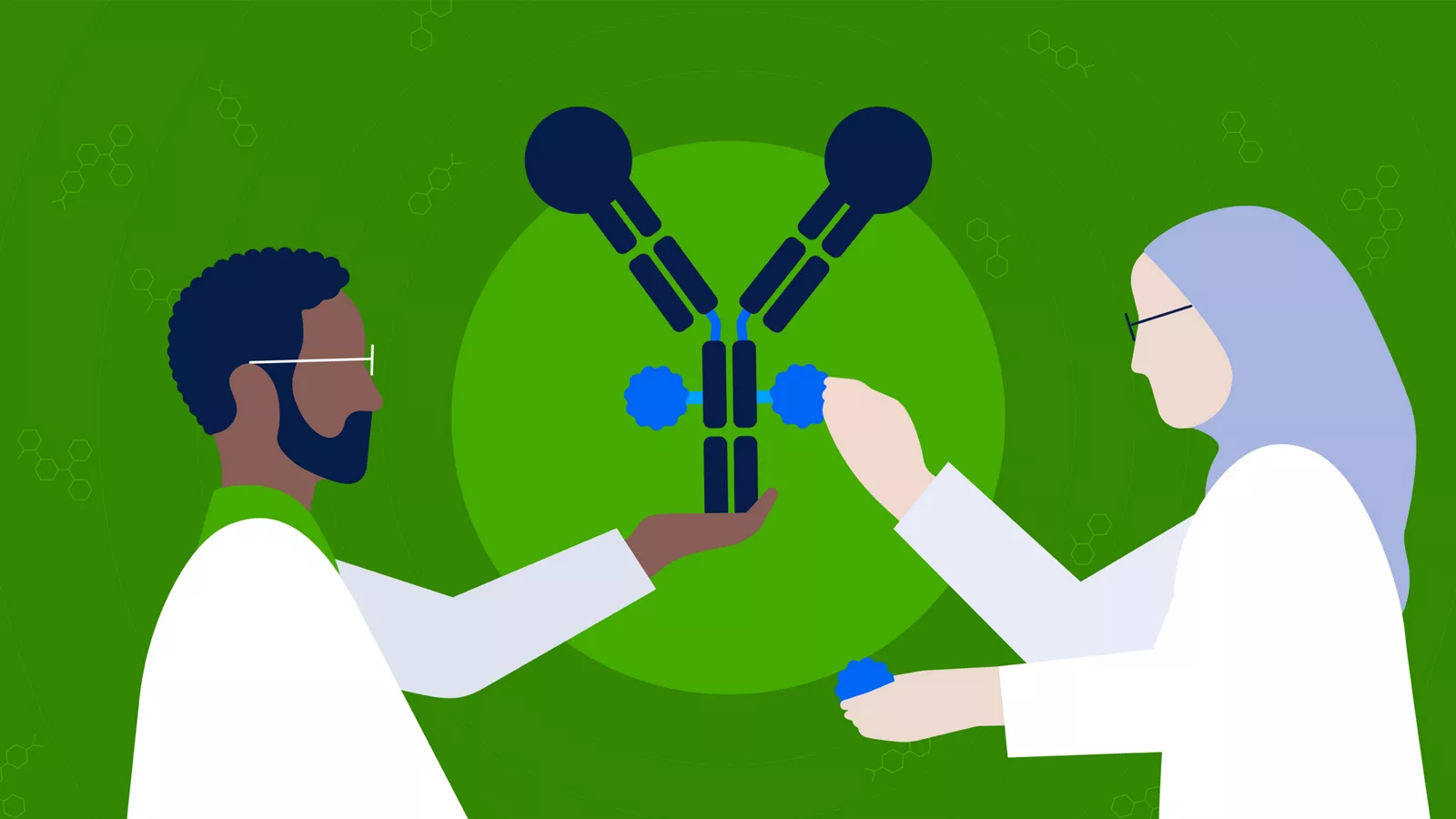
The cancer treatment landscape has transformed over the past 25+ years.1 One of the key drivers was the emergence of antibody-drug conjugates (ADC) therapies for certain blood and solid tumor cancers.2 ADCs work by selectively binding to markers overexpressed on cancer cells and delivering a cancer-killing cytotoxic payload into them, thus enabling a more targeted killing while limiting damage to healthy tissue.1
While ADCs have demonstrated clinical benefit for people living with certain cancers, important challenges remain.1 The complex biology of the disease and heterogeneity between cancer types and patients mean that therapies that are effective for some patients may not adequately address the biology of others’ disease.3 Among patients who do respond to certain therapies, traditional treatment courses that include surgery, radiation and chemotherapy can damage both healthy and cancerous cells and often result in substantial side effects.1 These limitations highlight the need for continued innovation.1
This begs the question: Has the usefulness of ADCs hit a ceiling? To that, AbbVie researchers say no.
The aspiration: Developing more targeted forms of cancer treatment
Early ADC therapies represented a paradigm shift in cancer treatment by combining the targeting specificity of monoclonal antibodies with the potency of cytotoxic drugs.1 Although challenges such as poor target binding and premature payload release have limited earlier approaches, ADCs continue to hold promise.2 As the field advances, ADCs may increasingly complement chemotherapy, and in some settings, provide an alternate treatment option.2

Researchers at AbbVie are building on the insights from these early ADCs to advance the next generation therapies that aim to enable more sophisticated, tailored treatment approaches. While significant progress has been made, AbbVie researchers continue to explore innovations to target tumor biology more precisely. Our pipeline includes drug targets for difficult-to-treat blood cancers and solid tumors.
How we’re getting there: Advancing the science of ADCs
Exploring targets
To deliver more targeted treatments tailored to specific cancer types, AbbVie researchers are focused on developing an even deeper understanding of disease biology. A key focus of this work is continuing to research novel biomarkers – such as proteins, genes and other molecules associated with disease – that could be targeted by future ADCs. C-Met, a protein that promotes tumor growth, and SEZ6, a protein linked to tumor growth and is highly expressed in certain tumors, are two examples of proteins that AbbVie is exploring.
Reimagining ADC designs
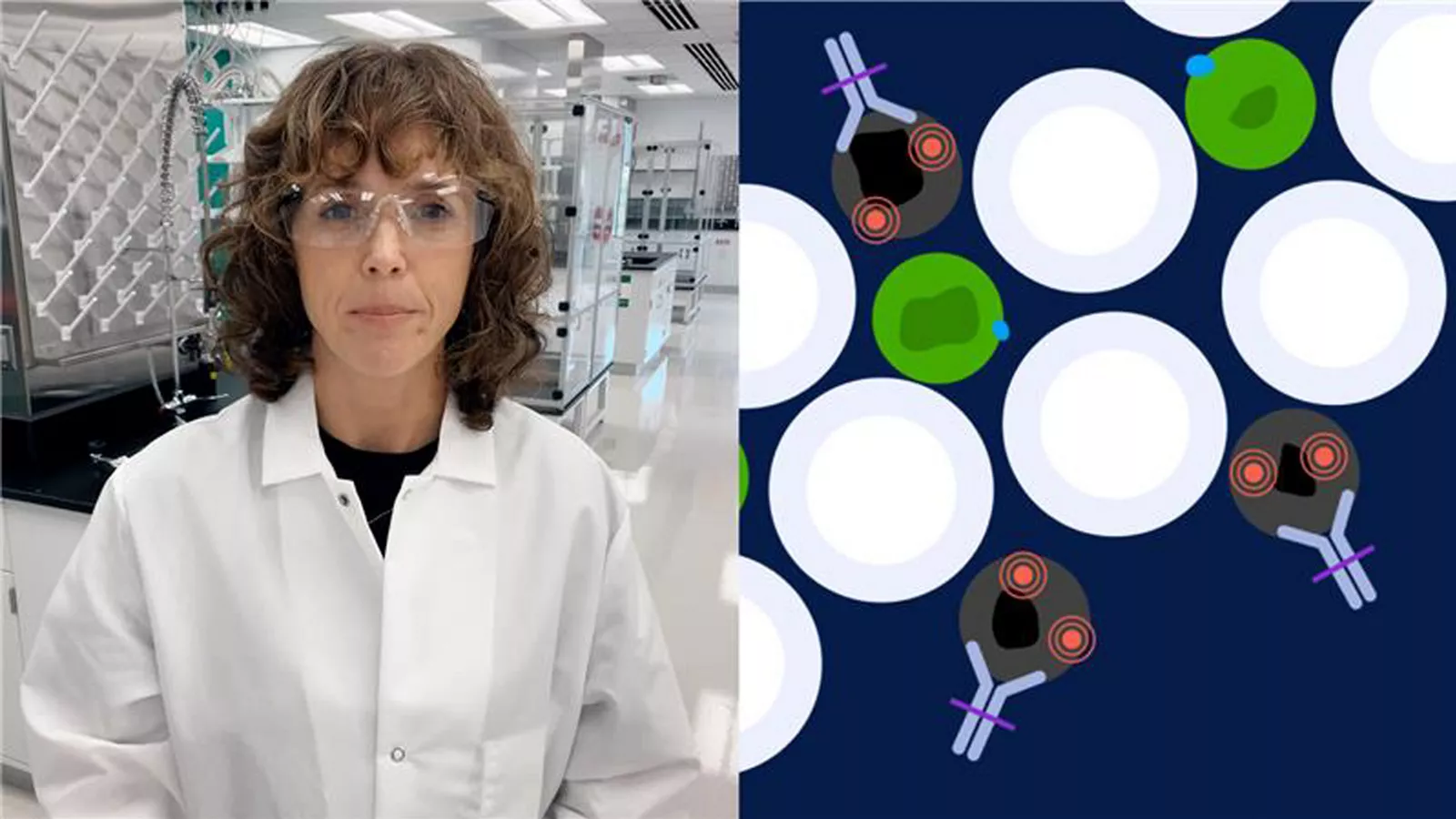
To address the limitations of early ADCs, AbbVie researchers are reimagining every component of the design of ADCs – from the antibody engineered to bind to the cell, to the cytotoxic drug responsible for killing the cell, and the chemical linker that binds the two together. In early ADCs, linkers would sometimes release the payload prematurely, increasing the risk of off-target effects.2 Researchers are designing next-generation linkers to be more stable, enhance tumor penetration, and help keep payloads attached until they reach the intended target.
Enhancing potency with payloads
Traditional payloads for ADCs are highly potent, yet some cancer cells have evolved in clever ways to evade being targeted. In response, researchers are working tirelessly to further develop novel payloads to overcome resistance mechanisms. We are also engineering ADCs to carry higher drug-to-antibody ratios with the goal of increasing efficacy while limiting potential side effects.
Designing ADCs that can target more than one antigen
To address disease heterogeneity and the emergence of treatment resistance over time, AbbVie researchers are advancing ADCs that can bind to more than one tumor-associated antigen. By studying ADCs that target two antigens at once, researchers are exploring if they can better recognize a broader range of tumor cells, improve uptake into cancer cells, and reduce the chance that tumors escape by losing a single target. This approach may help inform future strategies to improve the durability and selectivity of antitumor activity, with the goal of enabling more precise delivery of cytotoxic payloads to protein-expressing cells.
“This dual targeting approach has the potential to broaden tumor coverage, which is being studied for its potential impact on recurrence, overall response and response duration,” says Eleni Lagkadinou, M.D., vice president, head of oncology early development, AbbVie.
Exploring combination approaches with ADCs
Beyond improvements to ADCs themselves, we believe the future of targeted cancer therapy will include new immuno-oncology (IO) combination approaches that combine ADC technology with immunotherapies, treatments that activate the body’s own immune system to fight diseases.
IO is a rapidly evolving field of medicine that AbbVie is also heavily invested in. One emerging type of this combination are multispecific antibodies, which can bind to more than one target.4
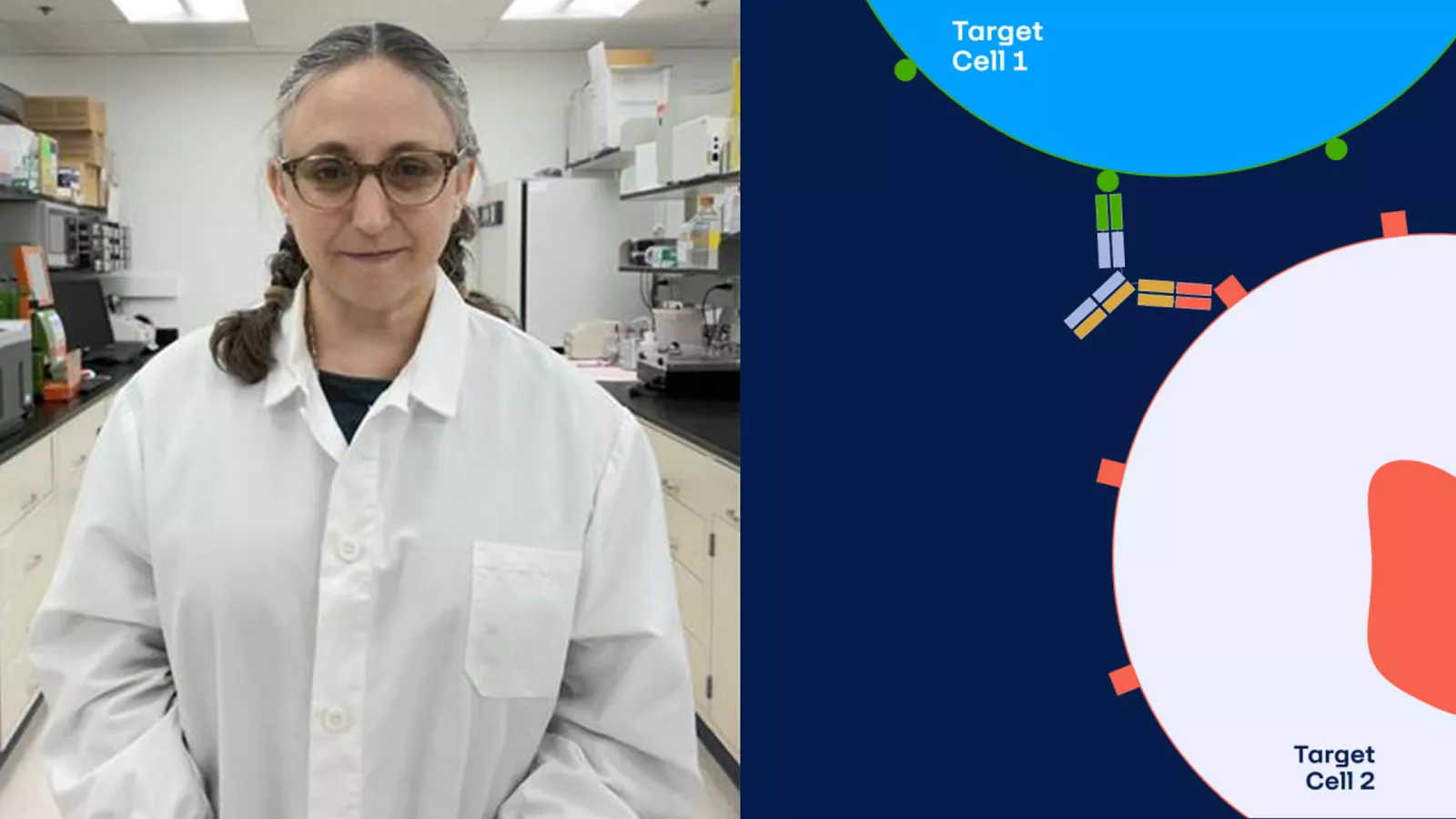
Researching the combination of ADCs and multispecific antibodies has the potential to open new doors for treating challenging conditions like cancer and immune diseases. To understand why, consider that a multispecific antibody binds to both a tumor cell and an immune cell.4 In doing so, it can effectively guide the immune cell directly to the cancer cell, increasing the chances that the body’s own immune cells can fight the cancer.4
“By combining different treatment options – especially those involving immuno-oncology – we aim to develop approaches that can fight cancer from multiple angles, with the goal of deepening and prolonging responses,” says Pedro Valencia, Ph.D., vice president, asset strategy leadership, oncology, AbbVie.
Advancing the future of ADCs in oncology
AbbVie’s continued efforts to advance ADC technology are helping to shape an oncology R&D landscape aimed at greater precision, durability, and meaningful progress for patients. As scientific understanding continues to advance, so too does the opportunity to expand knowledge to inform the development of more personalized therapies for people living with cancer.
“As our understanding of the science continues to deepen, we can further strengthen the foundation for future therapies, and that’s why we’ll keep pushing,” Lagkadinou said.



Unless otherwise specified, all product names appearing in this internet site are trademarks owned by or licensed to AbbVie Inc., its subsidiaries or affiliates. No use of any AbbVie trademark, trade name, or trade dress in this site may be made without the prior written authorization of AbbVie Inc., except to identify the product or services of the company.
Copyright © 2026 AbbVie Inc. North Chicago, Illinois, U.S.A.
